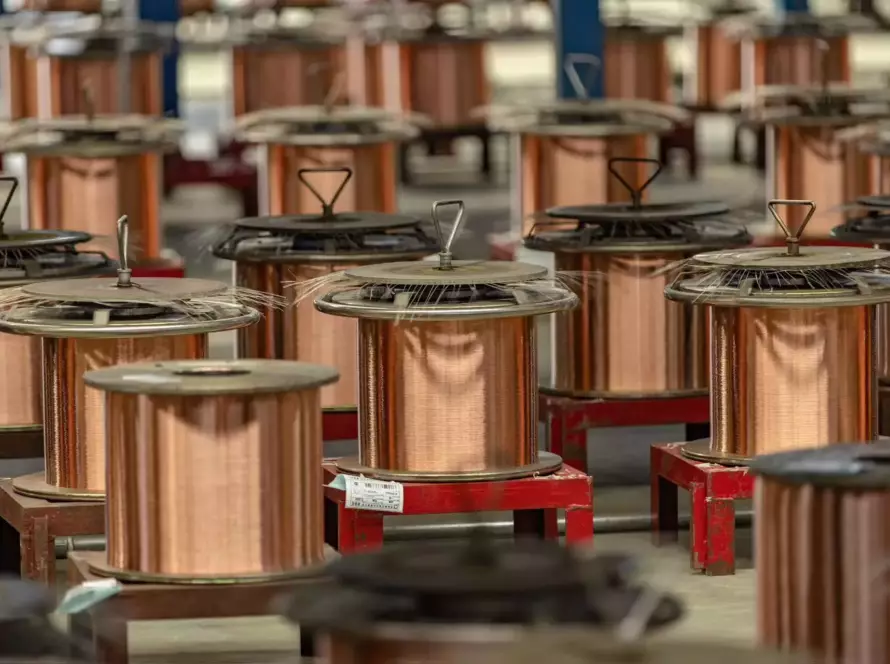
The renewable energy industry is under pressure to maximize the efficiency of its systems and prevent equipment failures. As green technology advances, the components used also need to be enhanced. That is where Oxygen-Free Copper (OFC) rod comes in.
It’s a truly crucial material for enhancing performance because it has excellent electrical conductivity and a long service life, and is highly reliable. During the electricity transmission, the OFC rod enables a good system to perform at an excellent level.
What Exactly is Oxygen Free Copper Rod?
Oxygen-Free Copper (OFC) is the purest form of copper used in manufacturing. It has almost no oxygen in it – usually less than 10 parts per million (ppm). This makes it more than 99.99% pure copper. Getting rid of almost all the oxygen gives it the best possible electrical and thermal conductivity properties that copper can have.
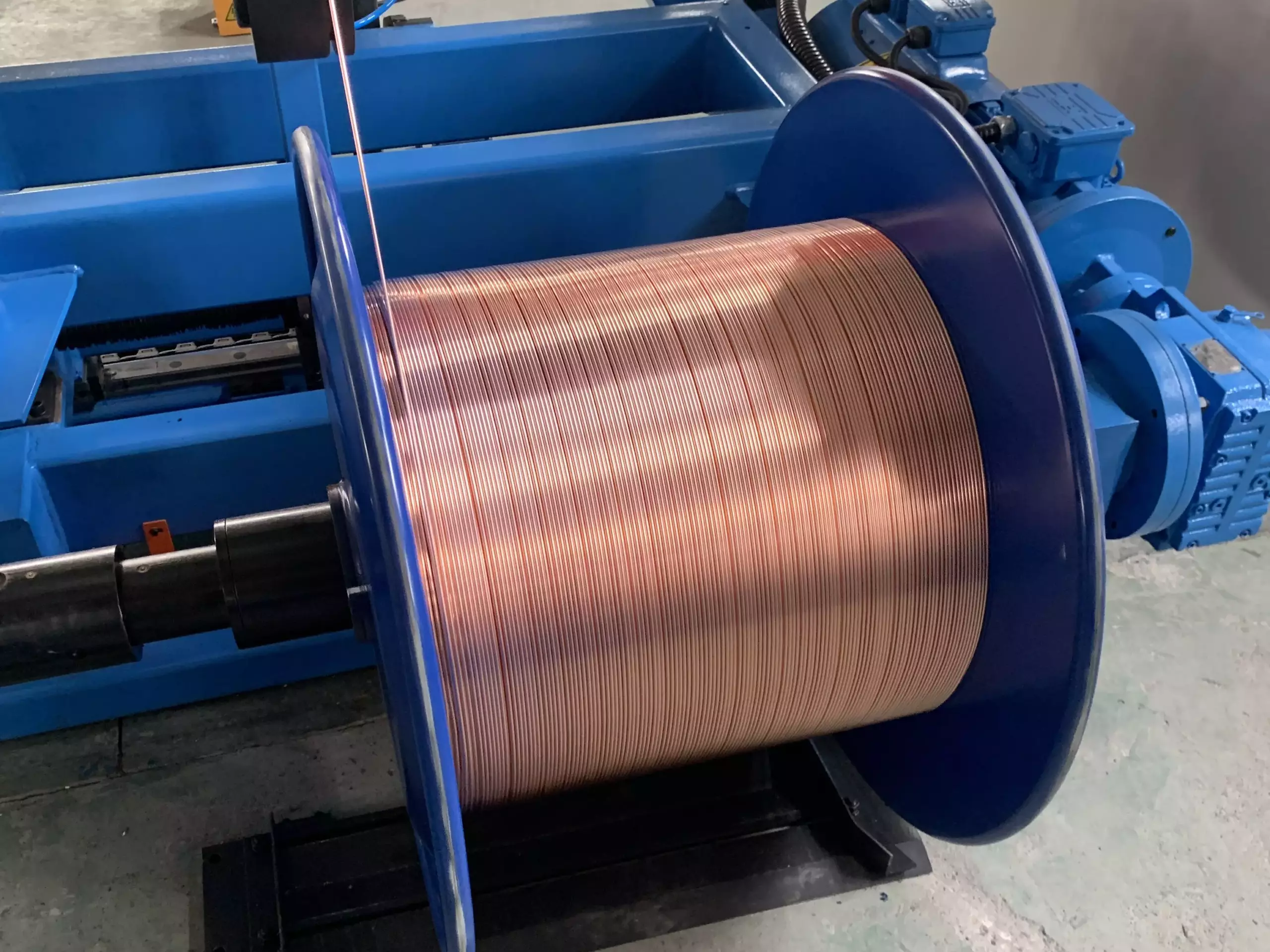
Making OFC rod is a careful process. Every step requires prcise control. Premium manufacturers like JINGDA produce high-quality OFC rod using specialized methods where copper is melted in special furnaces with controlled air. Then, the melted copper cools and hardens in special molds made of graphite, which creates a unique structure characterized by large grains. Each step is done in a carefully controlled environment to keep oxygen from getting in and ruining the copper’s purity.
Unlike regular copper, OFC rod allows electricity to flow with minimal resistance. This makes it extremely useful when transmitting signals and power, where even a marginal increase in efficiency can yield significant benefits. Standard copper can’t compete with the performance boost brought about by OFC’s high purity.
OFC Rod vs. Low-Oxygen Copper: What’s the Difference?
Composition and Production Differences
Low-oxygen copper typically contains 200 to 400 ppm of oxygen. The oxygen exists as tiny particles that are concentrated around the edges of the copper grains. Even though these particles are tiny, they affect the performance.of copper In contrast, OFC rod has less than 10 ppm of oxygen (with JINGDA Group controlling levels to below 5 ppm) and almost no residual chemicals from the process of removing the oxygen.
The manufacturing processes differ substantially between these products. Low-oxygen copper is typically produced using continuous casting and rolling techniques. The copper is first melted in vertical furnaces, then flows through holding furnaces and troughs into closed molds for cooling and solidification, followed by multiple rolling passes. This process creates a thermomechanically refined microstructure.
In domestic markets, standard OFC rod production primarily utilizes upward continuous casting. This process involves melting copper in induction furnaces equipped with submerged flow systems and solidifying it within graphite molds, producing cast structures with characteristically large grain sizes.
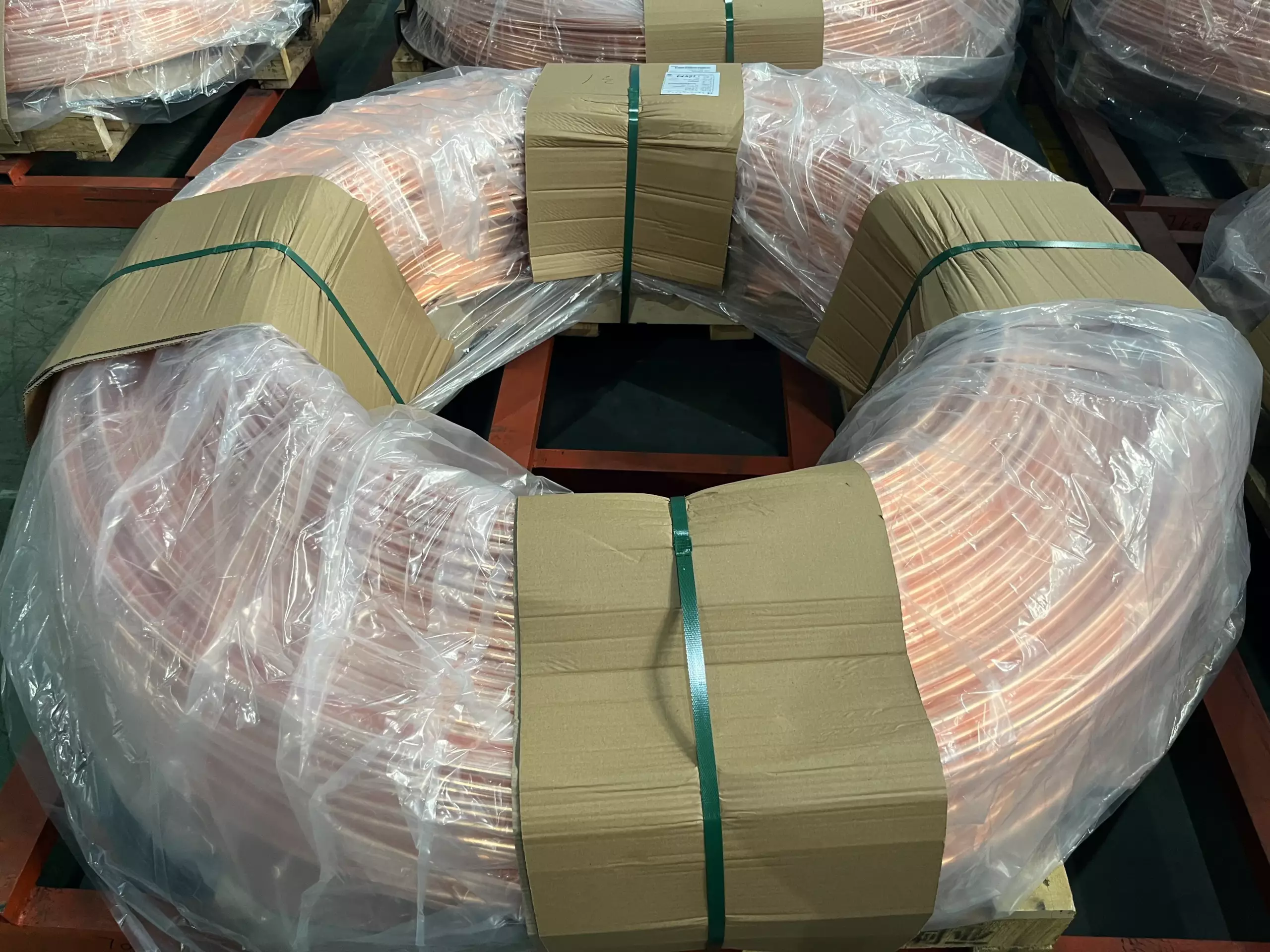
JINGDA Group has advanced beyond conventional OFC production by combining upward continuous casting furnaces with extrusion processes. This innovative approach creates significantly denser internal structures in OFC rods, thoroughly breaking down cast grains and eliminating porosity while enhancing structural uniformity. Additionally, during high temperatures extrusion recrystallization occurs, inducing fine grain structures that significantly enhance mechanical properties such as tensile strength and toughness. This refined microstructure also reduces electrical resistivity, enhancing conductivity performance beyond standard OFC specifications.
3 Performance Characteristics That Matter
The different compositions and manufacturing processes result in noticeable differences in how the copper performs:
- Electrical Conductivity:OFC rod can reach almost the highest possible electrical conductivity for copper, around 101% IACS (International Annealed Copper Standard). In contrast, low-oxygen copper usually reaches 98-99% IACS. This difference might seem small, but the 2-3% improvement in efficiency can be significant in applications where high performance is needed, like transmitting power or maintaining signal quality.
- Flexibility and Shaping:OFC rod’s consistent grain structure makes it very resistant to cracking when it’s shaped at cold temperatures. This is important for making very thin wires smaller than 0.05mm. Conversely, low-oxygen copper can be difficult to work with because the cuprous oxide particles can cause stress points during shaping. This often means needing to heat the copper to make it easier to work with, which adds extra steps and costs.
- Tensile Strength:Low-oxygen copper is a bit stronger (usually 220-250 MPa) because of the oxygen particles, making it good for overhead power lines where structural rigidity is critical. OFC rod is moderately strong (around 200-220 MPa) but is more flexible and can bend without breaking. This is helpful for parts that need to be shaped in complex ways.
Visual and Surface Characteristics
You can even tell the difference between these materials just by looking at them. Low-oxygen copper usually has a darker surface and might have some small imperfections. OFC rod, on the other hand, has a much brighter finish and a smoother surface. It maintains consistent roundness and a smooth surface free of rough edges, tiny cracks, or defects that could impair performance in sensitive applications.
Because of these properties, OFC rod is especially useful for advanced electronic applications where signal quality, heat management, and precise dimensions are essential. The combination of electrical efficiency, workability, and surface quality makes it worth the extra cost compared to standard copper options, especially for demanding new energy applications.
4 Key Applications in New Energy Systems
Solar Power Infrastructure
The solar power industry needs materials that are as efficient as possible. OFC rod is used to make interconnect ribbons and busbars, which connect the solar cells inside the panels. Because OFC rod conducts electricity so well, it minimizes power loss, which means the solar panel produces more power.
Also, OFC rod is easy to solder, which ensures reliable connections that last for the 25+ years that solar panels are expected to operate. This reliability is critical for large solar farms, where equipment is hard to access and repair, and component failures can be costly.
Electric Vehicle Technology
Electric vehicle companies are always trying to make their cars go farther on a single charge while also making them lighter and cheaper. OFC rod is critical for the motor windings. Its high conductivity enables efficient power transfer and less heat. helping vehicles go farther, especially in high-performance cars.
This material is also very useful in charging systems. Its ability to carry a lot of current allows for faster charging without overheating. Every minute saved in charging gives companies an edge in this fast-paced market.
Energy Storage Solutions
Large energy storage systems that power entire grids require components capable of handling high electricity loads with minimal power loss. To achieve this, OFC rods are used to manufacture busbars and connectors in these systems. The efficiency of these components directly impacts the overall cost-effectiveness of the storage system. The material’s resistance to damage from hydrogen is especially valuable in certain types of batteries where hydrogen is present.
A single grid storage system can contain kilometers of copper wires, so even small improvements in efficiency can make a big difference overall. The long-term reliability of OFC rod connections ensures these critical components maintain their operational integrity throughout their designed lifecycle. .
Wind Power Generation Equipment
Modern wind turbines generate substantial power even in tough weather. The generators within these huge structures work better with OFC rod components. This is especially true for the stator and rotor windings, where electrical efficiency directly influences the turbine’s energy capture capacity.
OFC rod’s exceptional thermal conductivity enables efficient heat dissipation, allowing higher current levels without compromising insulation integrity. This means that either the same size components can produce more power, or smaller, lighter components can achieve equivalent power generation.
Selecting Superior OFC Rod: What Matters Most

When sourcing oxygen-free copper(OFC) rod such as JINGDA’s premium products-prioritize the following critical factors to ensure optimal performance and reliability:
- Manufacturing Capabilities:Make sure the supplier has advanced factories that can maintain the strict environmental controls needed for producing true OFC.
- Quality Certification:A reputable supplier should provide complete records of the material’s composition, physical properties, and quality testing results.
- Technical Support:Top tier suppliers offer more than just materials. They can also provide advice on choosing the right specifications for your particular needs.
- Industry Standard Compliance:Quality OFC rod should meet or exceed internationally recognized standards, such as ASTM B170, DIN EN 13604, or JIS C1020. These standards ensure consistent performance in different applications.
For very demanding applications, prioritize suppliers offering end-to end traceability from raw material sourcing to finished product. This documentation is indispensable for resolving potential performance issues during downstream manufacturing process.
Boost Your New Energy Projects with Top-Quality OFC Rod
Switching to green energy means needing materials that are super-efficient and dependable. Oxygen-Free Copper (OFC) rod stands out for its ultra-high purity, superior electrical conductivity, easy to work with. By selecting OFC rod from established suppliers, manufacturers can enhance product efficiency, extend service life, and gain a competitive edge in the rapidly expanding green energy market.
Recent News

Jingxun Shines at 2024 Japan TECHN0-FRONTIER Expo
Jingxun at Coiltech 2024: Strengthening Partnerships and Driving Innovation