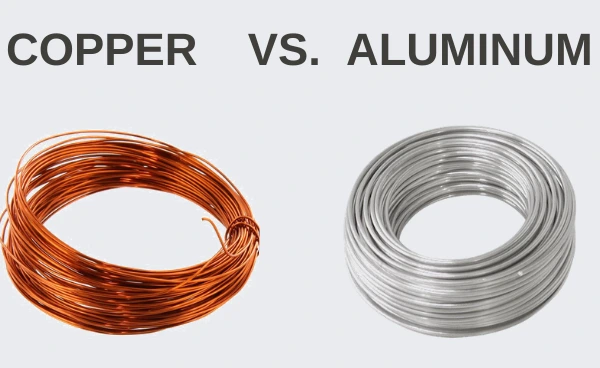
From tiny microelectronics to huge industrial machinery, enameled wire is the structural component of countless electrical devices. The thin insulating layer outside the copper core gives this special conductor its vital properties. Designers and engineers seeking optimum performance have to know how insulation affects performance.
The Fundamental Purpose of Insulation in Enameled Wire
Preventing Short Circuits
To prevent adjoining wire turns in a coil or winding from making electrical contact with one another, magnet wire needs to be insulated. Without this barrier, current would flow between touching wires in the opposite direction from how it should. Short circuits would result from this, rendering the equipment inoperable.
Electricity must instead follow the conductor because this extremely thin layer of insulation creates a channel with a lot of resistance. The stability and energy consumption of the circuit are directly impacted by the effectiveness of this barrier on the enameled copper wire. Electrical lines are kept straight by well-insulated wires, but poorly insulated wires allow energy to escape as heat or undesired current flow.
Enabling High Winding Density
Modern electrical devices must have compact designs with better winding densities. The quality of the insulation has a direct impact on how tightly wires may be twisted without running the risk of short circuits.
High-performance enamel coatings allow for extremely thick enameled wire windings, which raises the copper-to-space ratio in devices like motors and transformers. This density enables more robust yet compact designs by increasing the magnetic field strength within the same physical footprint. In this case, uniform insulation thickness is crucial as variations may result in weak points that reduce the overall effectiveness of the system.
Voltage Withstand
Another important function of copper magnet wire insulation is its ability to withstand voltage. How much electrical potential the wire can safely handle before breaking down is based on the dielectric properties of the enamel coating.
In high-voltage situations or when voltage spikes might happen, this trait becomes very important. When electrical stress is put on better insulation, it stays intact, stopping arcing or breakdown that could cause a catastrophic failure. This ability is directly related to the insulation’s composition and thickness; some special formulations offer very high voltage resilience.
Shielding Against Environmental Threats
In addition to electrical concerns, insulation must protect the enameled wire’s conductive core from environmental factors such as:
- Moisture infiltration that could lead to corrosion
- Chemical exposure that could damage the copper
- Mechanical abrasion during installation or use
- Temperature changes that put stress on materials
How well this safety works has a significant impact on how long the service lasts and how reliable it is. Wires that are exposed to rough conditions need special insulation formulations that keep their protective qualities even in rough conditions.
Key Performance Aspects Directly Affected by Insulation Type
Temperature Rating: Defining Operational Limits
Perhaps no characteristic better illustrates insulation’s effect on the performance of magnet wire than temperature rating. This specification describes the maximum continuous operating temperature a wire can withstand without degradation.
When enamel is made from different components, it can handle very different temperatures:
| Class | Temperature Rating | Typical Applications |
| 105 (A) | 105°C | Low-cost general purpose |
| 130 (B) | 130°C | Home appliances |
| 155 (F) | 155°C | Industrial motors |
| 180 (H) | 180°C | High-performance motors |
| 200 (N) | 200°C | Extreme environment |
| 220 (R) | 220°C | Aerospace |
| 240 (S) | 240°C | Specialized high-temp |
Insulation breaks down much faster when temperatures are higher than the recommended value. If the wire used in a device isn’t rated properly, it might work at first but stop working early when the temperature limit is exceeded. Therefore, temperature rating is one of the most important factors to consider when making a selection, especially in situations where cooling is restricted or a large amount of heat is generated.
Dielectric Strength: Preventing Breakdown
Dielectric strength measures an insulation’s ability to withstand electric fields without breaking down on the enameled wire. This property determines the maximum voltage the wire can safely handle, expressed in volts per unit thickness.
Superior insulation materials maintain their dielectric properties under various environmental conditions. Factors that affect dielectric performance include:
- Molecular structure of the insulation polymer
- Presence of contaminants or voids
- Thickness consistency across the wire
- Environmental conditions, particularly humidity
Applications with high voltage requirements or potential for voltage spikes demand insulation with exceptional dielectric strength to maintain safety margins.
Chemical Resistance
Different insulation types exhibit varying resistance to chemicals, solvents, and thermal stress. This characteristic becomes paramount in environments with exposure to oils, fuels, cleaning agents, or refrigerants.
For instance, polyesterimide enamels offer excellent thermal stability but may be vulnerable to certain solvents. Polyamideimide formulations provide superior chemical resistance needed in automotive applications where exposure to oils and fuels is common. The choice of insulation must be consistent with the specific chemical challenges of the intended environment.
Abrasion Resistance
Even though it is put under a lot of physical stress during production and use, insulation must keep its structure. During the winding process, abrasion resistance is very important because the wire rubs against the tooling and nearby turns a lot.
Another important mechanical quality is flexibility, especially in situations where the part needs to be bent during installation or is vibrating while it’s working. Some high-temperature formulations have great thermal qualities, but they also become more brittle. This is a trade-off that needs to be carefully thought through based on the needs of the application.
Flexibility and Solderability: Practical Considerations
Flexibility is essential in dynamic applications such as automotive wiring harnesses and robotic components where repeated bending occurs. The polymer structure largely determines this property in enameled copper wire, with polyurethane-based enamels typically offering superior flexibility to polyester variants. Engineers must balance flexibility against thermal resistance, as more flexible formulations often sacrifice high-temperature performance.
Solderability directly impacts manufacturing efficiency and repair feasibility. While copper solders readily, the insulation presents a barrier that must be addressed. Factors affecting solderability include thermal degradation temperature and ease of removal. Self-fluxing enamels provide one solution, incorporating compounds that break down cleanly when heated to soldering temperatures, allowing direct contact with the copper without manual stripping. This characteristic significantly reduces production time and improves field serviceability.
Specific Performance Characteristics Influenced by Insulation
Efficiency: Minimizing Losses
Proper insulation contributes to electrical efficiency by minimizing leakage currents in the insulated copper magnet wire. These seemingly minor losses can compound in high-performance applications where every percentage point of efficiency matters.
The insulation’s dielectric constant and loss factor directly influence these characteristics. Lower values typically result in reduced energy dissipation within the insulation itself. This becomes especially relevant in high-frequency applications, as dielectric losses increase proportionally with frequency.
Reliability Across Operating Conditions
The reliability of electrical systems often hinges on the consistency of wire insulation performance under varying operating conditions. Well-chosen insulation maintains its properties despite fluctuations in:
- Temperature cycles that cause expansion and contraction
- Humidity variations that can affect dielectric properties
- Vibration and mechanical stress that test physical integrity
- Electrical load variations that create thermal cycling
Systems designed for critical applications require insulation that minimizes performance fluctuations under changing conditions, ensuring predictable performance throughout the entire lifecycle of the equipment. .
Size and Weight Considerations
The thickness and density of insulation directly impact the overall dimensions and weight of wound components. In aerospace, automotive, and portable electronics, these factors can be as critical as electrical performance.
Modern high-performance insulations achieve excellent electrical properties with minimal thickness, allowing for smaller, lighter designs. This efficiency comes from advanced polymer formulations and precise application techniques, which can deposit thin yet defect-free coatings.
Operating Frequency Compatibility
As operating frequencies increase, additional insulation properties become significant factors in performance. The performance of insulation at high frequencies affects:
- Signal integrity in communication circuits
- Efficiency in switching power supplies
- Electromagnetic interference generation
- Corona discharge susceptibility
Specialized formulations designed for high-frequency applications offer optimized dielectric constants and reduced loss factors that maintain performance as frequencies climb into the megahertz or even gigahertz range.
Noise Reduction
Quality insulation minimizes electrical noise in sensitive circuits by preventing capacitive coupling between adjacent conductors and blocking external electromagnetic interference. This function is critical in precision measurement devices, audio equipment, and medical electronics. Engineers leverage insulation properties through techniques like twisted-pair configurations that cancel common-mode noise and specialized wire constructions that combine insulation with conductive shielding layers to redirect interference away from signal paths.
The Importance of Insulation Quality for Longevity and Reliability
Consistent Coating Thickness
The uniformity of insulation thickness represents a foundational element of wire performance. Variations in coating thickness create weak points that can fail prematurely under electrical or thermal stress, potentially compromising entire systems.
Modern manufacturing employs sophisticated process controls to ensure consistent application. Continuous monitoring systems measure thickness in real-time, while precision die designs and controlled wire tensioning promote uniform coverage. Multi-pass coating techniques build layers gradually, allowing each to settle properly before the next application. This careful approach eliminates the thin spots and buildup areas that would otherwise compromise performance in demanding applications.
Absence of Defects
Even microscopic defects in insulation can lead to catastrophic failures. Pinholes, cracks, and foreign particles embedded in the coating all create potential breakdown points that undermine the wire’s insulating properties.
Manufacturers employ multiple inspection techniques to identify and eliminate these defects:
- Inline high-voltage spark testing that identifies breakdown points
- Optical scanning systems that detect surface irregularities
- Wet testing protocols that reveal imperceptible pinholes
- Periodic destructive testing to verify internal quality
These comprehensive quality systems ensure that defects are identified and rectified before the wires reach their end-use.
Adhesion to the Copper Conductor
Strong adhesion between the insulation and copper conductor is essential for both mechanical durability and electrical integrity. Poor adhesion can lead to insulation separation during bending or thermal cycling, creating voids that compromise performance.
Several factors challenge adhesion quality:
- Copper oxidation prior to coating application
- Thermal expansion differences between copper and insulation materials
- Chemical compatibility between the conductor and coating
Solutions include specialized surface preparation techniques, primer layers that enhance bonding, and carefully matched thermal expansion coefficients between materials. Advanced enamels incorporate adhesion promoters within their chemical structure to maintain integrity throughout the wire’s service life.
Compliance with Standards
Industry standards establish baseline requirements for insulation performance and manufacturing consistency. These standards provide assurance that wire will function reliably in its intended applications while meeting safety requirements.
Key standards include:
- IEC 60317 series specifications for enameled wire dimensions and properties
- UL 1446 insulation system thermal classifications
- NEMA MW 1000 standards for magnet wire performance
- Industry-specific standards for automotive, aerospace, and medical applications
Compliance testing involves rigorous validation across multiple parameters, including breakdown voltage, temperature index, mechanical properties, and chemical resistance. While these standards establish minimum requirements, many applications benefit from exceeding these baselines for enhanced reliability and extended service life.
Matching Enamel Insulation to Application Needs
Selecting the appropriate insulation for a specific application requires balancing multiple performance factors against cost and availability constraints. The following guidelines help engineers match insulation properties to application requirements.
High-Temperature Environments
Applications operating at elevated temperatures require specialized insulation formulations that maintain both electrical and mechanical integrity under thermal stress. When selecting for high-temperature environments, consider:
- Maximum continuous operating temperature
- Duration of temperature exposure
- Frequency of thermal cycling
- Additional environmental factors present at elevated temperatures
Motor windings in industrial furnaces, for instance, benefit from Class H (180°C) or Class N (200°C) enameled wire that can withstand both continuous operation and occasional overload conditions without degradation. Aerospace applications might require Class R (220°C) insulation to handle the extreme temperatures encountered during operation.
High-Voltage Applications
High-voltage environments place unique stresses on insulation systems. Performance in these applications depends on:
- Dielectric strength (voltage per unit thickness)
- Corona resistance at elevated voltages
- Long-term voltage endurance
- Performance under partial discharge conditions
Medical imaging equipment and high-voltage transformers require exceptional dielectric properties with large safety margins. Enhanced insulation systems for these applications often feature multiple coating layers, each optimized for different aspects of voltage withstand capability. Additional considerations include creepage distance requirements and clearance specifications that impact winding geometries.
Applications Requiring Flexibility
When wire must undergo repeated bending or vibration, flexibility becomes the dominant selection criterion. Key considerations include:
- Number of flex cycles required
- Minimum bend radius
- Operating temperature during flexing
- Environmental factors affecting flexibility
Robotics and moving machinery benefit from polyurethane-nylon composite insulations that maintain flexibility throughout their service life. These applications require careful balancing of flexibility against other performance factors, as the most flexible insulations often sacrifice thermal performance or chemical resistance to achieve their bending properties.
Automated Manufacturing Processes
Modern manufacturing systems place their own demands on wire insulation. Production-friendly insulation characteristics include:
- Consistent outer diameter tolerances
- Resistance to abrasion during winding
- Compatibility with automated handling equipment
- Thermal resistance during rapid processing
High-speed motor winding operations require insulation that maintains its integrity despite significant mechanical stress during placement. Manufacturers may select slightly more robust (though potentially less optimized) insulation to ensure production yields remain high and defect rates low.
Harsh Industrial Environments
Industrial settings expose wire to chemical, mechanical, and environmental stresses that can rapidly degrade standard insulation. Specialized formulations address these challenges through:
- Enhanced chemical resistance profiles
- Superior abrasion resistance
- Moisture and humidity resistance
- Resistance to cleaning agents and lubricants
Mining equipment, for example, operates in environments with abrasive particulates, cleaning solvents, and moisture—requiring insulation systems with comprehensive protection against these combined threats. Chemical processing equipment similarly needs specialized protection against the specific chemicals present in each application.
Professional Information: Summary Table
| Insulation Type | Thermal Class | Dielectric Strength | Chemical Resistance | Flexibility | Typical Applications |
| Polyurethane | 155°C (F) | Moderate | Poor to Good | Excellent | Automated winding, fine wire |
| Polyesterimide | 180°C (H) | Good | Good | Moderate | General industrial motors |
| Polyamideimide | 200°C (N) | Excellent | Excellent | Good | Automotive, harsh environments |
| PEEK | 240°C (S) | Excellent | Excellent | Poor | Extreme temperature, chemical exposure |
| Polyimide | 220°C (R) | Excellent | Good | Poor | Aerospace, high reliability |
| ML Composite | 200°C (N) | Excellent | Good | Good | Balanced performance needs |
Although particular grades within each class may offer changed qualities to satisfy particular application requirements, this table serves as a starting point for choosing.
Elevate Your Designs with Optimized Insulation Selection
Enameled wire insulation, also known as magnet wire insulation, though often overlooked, fundamentally shapes electrical device performance. From preventing short circuits to enabling high-temperature operation, the thin enamel coating determines operational limits and reliability. Engineers who select insulation based on comprehensive application requirements—rather than minimum specifications—create designs with superior performance and longevity.
Recent News

Jingxun Shines at 2024 Japan TECHN0-FRONTIER Expo
Jingxun at Coiltech 2024: Strengthening Partnerships and Driving Innovation