


Exploring Different Wire Types for Electrical Applications
When selecting wire for electrical applications, understanding the differences between solid, stranded, and Litz wire is essential for making informed decisions.
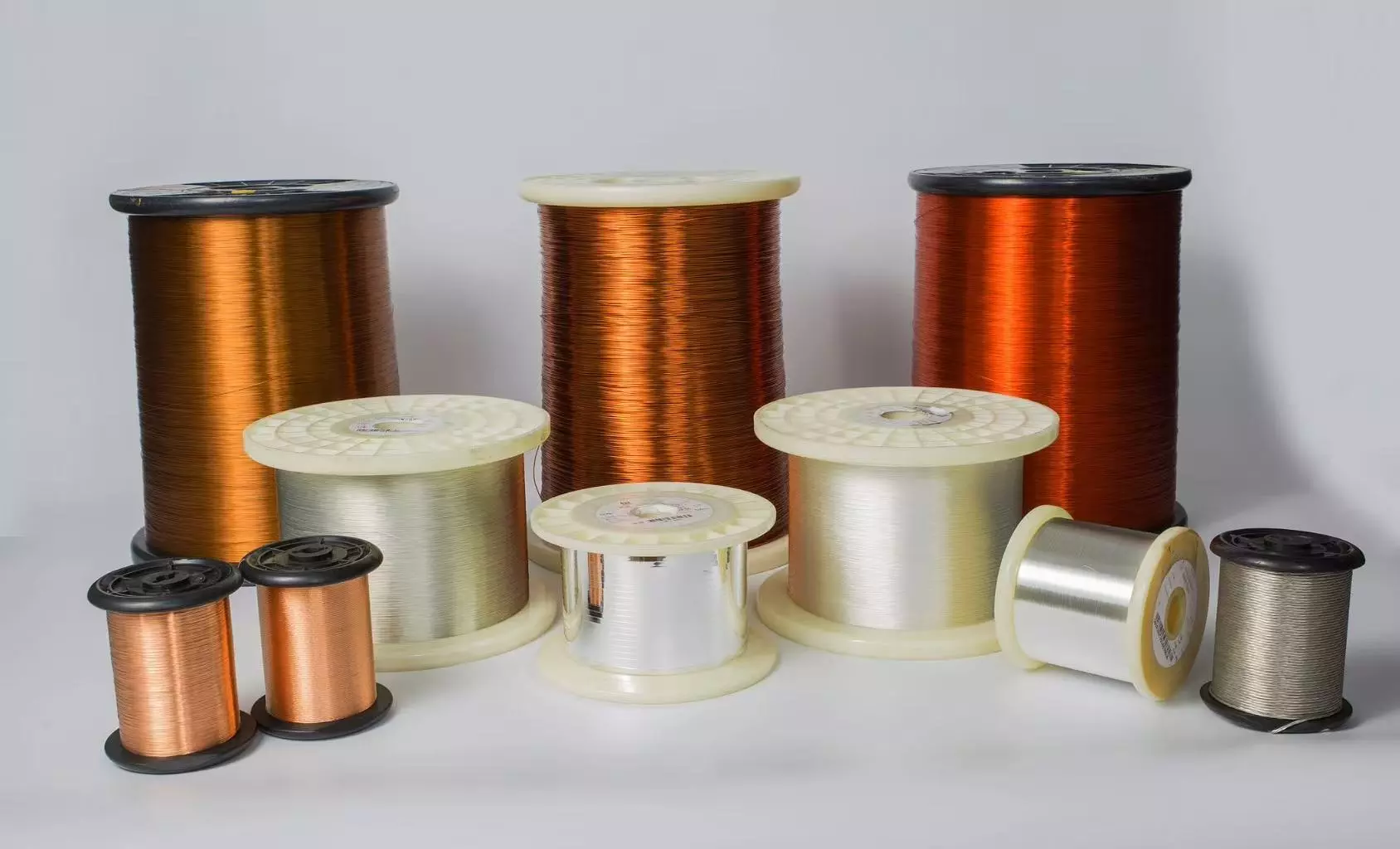 Advantages and Disadvantages of Solid Wire
Solid wire consists of a single, thick conductor. It offers low resistance and is ideal for permanent installations. However, solid wire is less flexible, making it challenging to work with in tight spaces.
Benefits of Stranded Wire for Flexibility
Stranded wire is composed of multiple small wires twisted together. This design provides greater flexibility, making it easier to handle in various applications. However, stranded wire may have slightly higher resistance compared to solid wire.
Litz Wire: Ideal for High-Frequency Applications
Litz wire is made of many thin strands, designed to reduce skin effect in high-frequency applications. This makes it ideal for use in transformers and inductors where efficiency is critical.
Applications of Each Wire Type
Understanding the specific applications for solid, stranded, and Litz wire can help in choosing the right type for your project. Solid wire is often used in fixed installations, while stranded wire is preferred for portable applications.
Key Comparisons to Consider
- Flexibility: Stranded is more flexible than solid.
- Resistance: Solid wire typically has lower resistance.
- Skin Effect: Litz wire minimizes losses in high-frequency applications.
- Installation Ease: Stranded wire is easier to manipulate.
- Cost: Solid wire can be cheaper but less versatile.
Conclusion and Summary
The choice between solid, stranded, and Litz wire depends on the specific requirements of your project. Evaluating factors such as flexibility, resistance, and application type will guide you in making the best decision.
FAQ
Q1: What is the skin effect?
A: Skin effect is the tendency of alternating current to distribute itself within a conductor, leading to increased resistance at higher frequencies.
Q2: Which wire type is best for audio applications?
A: Stranded wire is often preferred for its flexibility and ease of installation.
Q3: Can solid wire be used in applications where flexibility is needed?
A: Solid wire is generally not recommended for flexible applications due to its rigidity.
Q4: How does Litz wire improve efficiency in high-frequency applications?
A: Litz wire reduces skin effect losses, allowing for better current distribution and efficiency.
