...
Skip to content Skip to footer

What is the Difference between Bare Wire and Enameled Wire

Every electrical project, from a tiny circuit board to a massive industrial motor, starts with a simple choice: which wire to use. It might seem like a small detail, but the wire you pick can make or break your project. The decision usually boils down to two options: the straightforward, all-purpose bare wire and the specialized, durable enameled wire.

Both are built to carry an electrical current, but that’s where the similarities end. One is all about raw, unfiltered performance, while the other is engineered for protection in tough situations. Picking the right one means looking at what your project really needs.

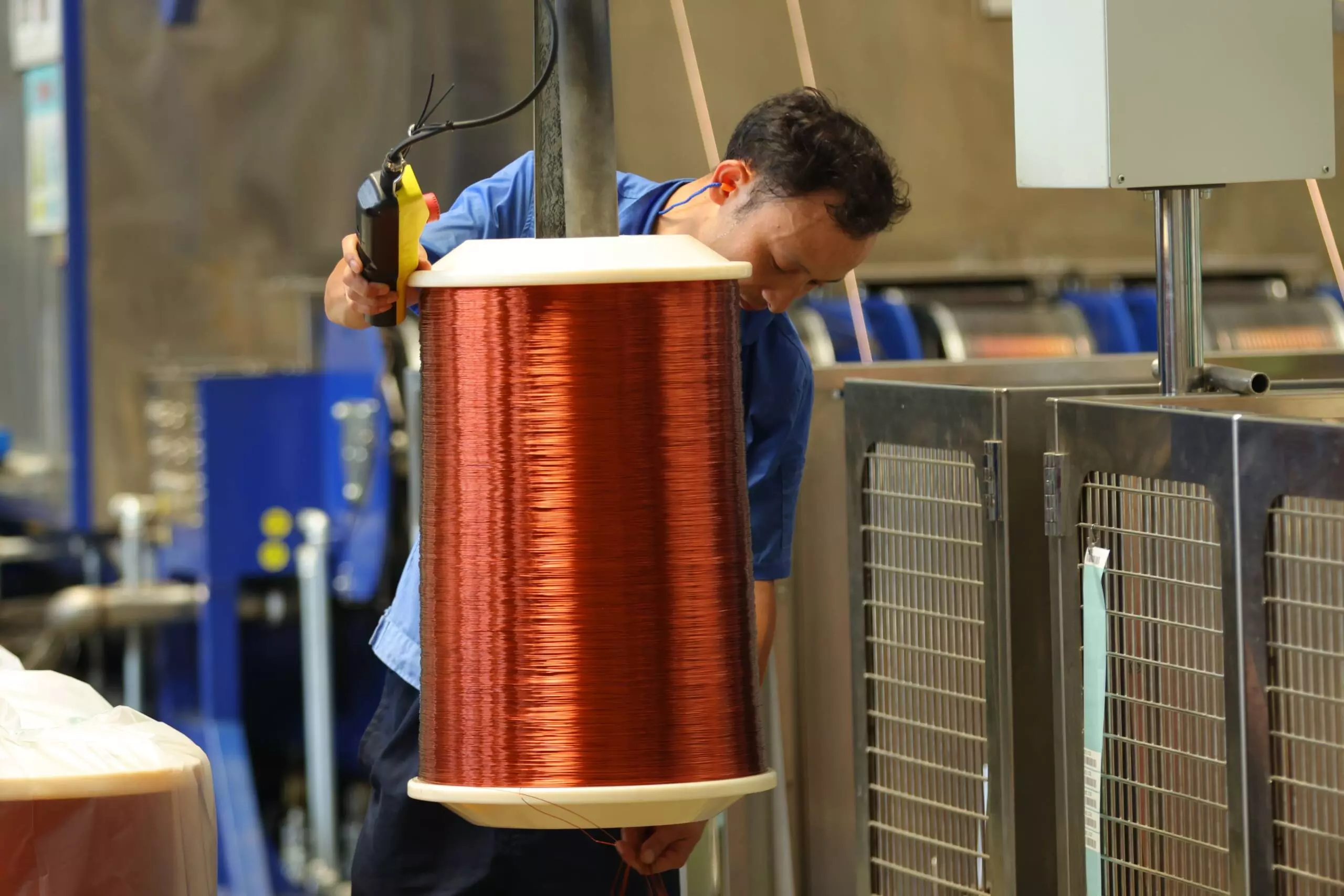
Jingdawire premium industrial metal wire coils neatly arranged on production line inside modern clean manufacturing facility for quality inspection

The Main Differences at a Glance

PropertyBare WireEnameled Wire (Magnet Wire)
CoatingNone, just the raw metal.A thin, hard layer of enamel insulation.
Best ForGrounding, overhead lines, and open-air projects.Tightly wound coils in motors and transformers.
DurabilityCan corrode or oxidize if exposed to the elements.Very durable; resists short circuits and corrosion.
FlexibilityExtremely flexible and easy to bend.Stiffer because of the baked-on enamel coating.
CostLess expensive.More expensive due to the complex coating process.
CorrosionVery susceptible to moisture and chemicals.Highly resistant because the enamel acts as a barrier.

Bare Wire The Raw Conductor

Bare wire is exactly what it sounds like—a solid metal wire, usually copper or aluminum, with nothing extra on it. It’s wire in its simplest form, made for one thing: letting electricity flow with the least possible resistance.

Its straightforward design makes it an affordable and highly flexible choice. You can easily shape it to fit tight corners or complex layouts, which is perfect for jobs where you don’t need to worry about insulation.

Where You’ll Find It:

  • Electrical Grounding: It provides a direct, safe path for stray electricity to travel to the ground.
  • Overhead Power Lines: On high-voltage lines, the air itself provides enough insulation, so there’s no need for a coating.
  • Component Connections: Inside protected equipment, it’s often used to link different parts on a circuit board.

The main trade-off is its vulnerability. Without a protective coating, bare wire can easily oxidize and corrode if it’s exposed to moisture or chemicals.

Enameled Wire The Protected Performer

Enameled wire, often called magnet wire, is a metal conductor covered in a thin but incredibly tough layer of enamel insulation. This isn’t just a coat of paint; it’s a special polymer that’s baked onto the wire, giving it remarkable protection.

That thin layer of insulation is what makes this wire so special. It stops the electrical current from jumping to other wires, which is crucial when the wire is wound into tight coils. Without it, the device would short out almost instantly. The enamel also does a great job of resisting heat, friction, and chemical damage.

Where You’ll Find It:

  • Motors and Generators: It’s used to create the dense, powerful coils that make things spin.
  • Transformers and Inductors: It’s essential for building the coils that move energy from one circuit to another.
  • Solenoids and Relays: The tight coils of enameled wire create the magnetic fields needed to flip switches and move parts.

Workers are making magnet wireCommon Questions

How can I tell if a wire is enameled?

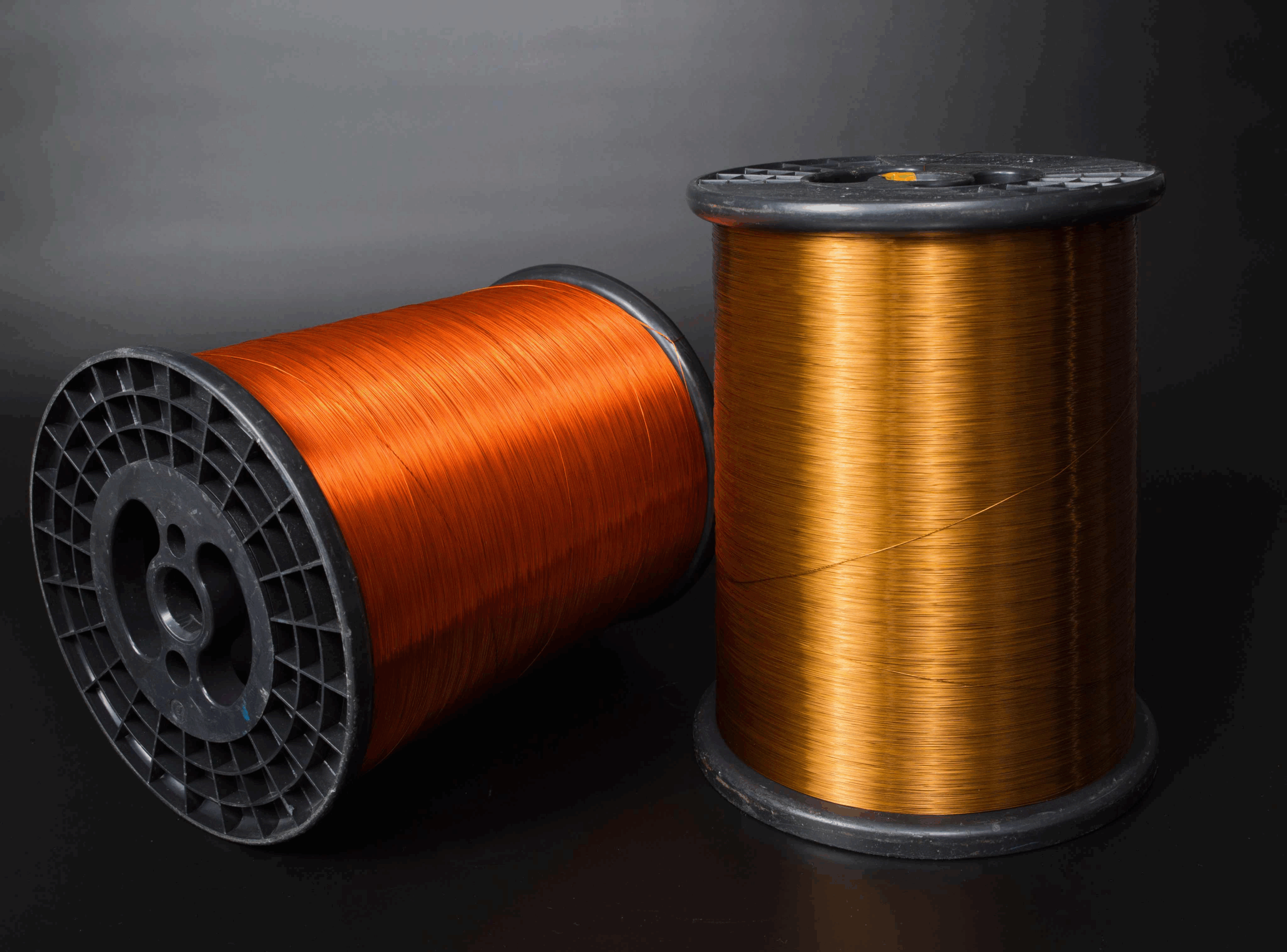
You can usually spot enameled wire by its glossy, smooth finish, which can be amber, red, green, or other colors. Bare wire, on the other hand, has a duller, metallic look. If you’re not sure, you can gently scrape the surface with a knife. If a thin, colored film flakes off and reveals shiny metal underneath, it’s enameled.

Is enameled wire really more durable?

Yes. As mentioned above, enameled wire is more durable and long-lasting than bare wire. It is because of the extra insulation coating on enameled wire that provides extra durability to the coated wire.

Making the Final Choice

So, which wire is right for you? It all comes down to the job at hand.

Go with bare wire if you need an affordable, flexible wire for a project in a controlled or open-air setting where pure conductivity is all that matters—think grounding wires or connecting components in a sealed box.

Choose enameled wire anytime you’re winding a coil or working in a tight space where you need to prevent short circuits. If your project involves motors, transformers, or anything with an electromagnet, it’s the only way to go.
Recent News