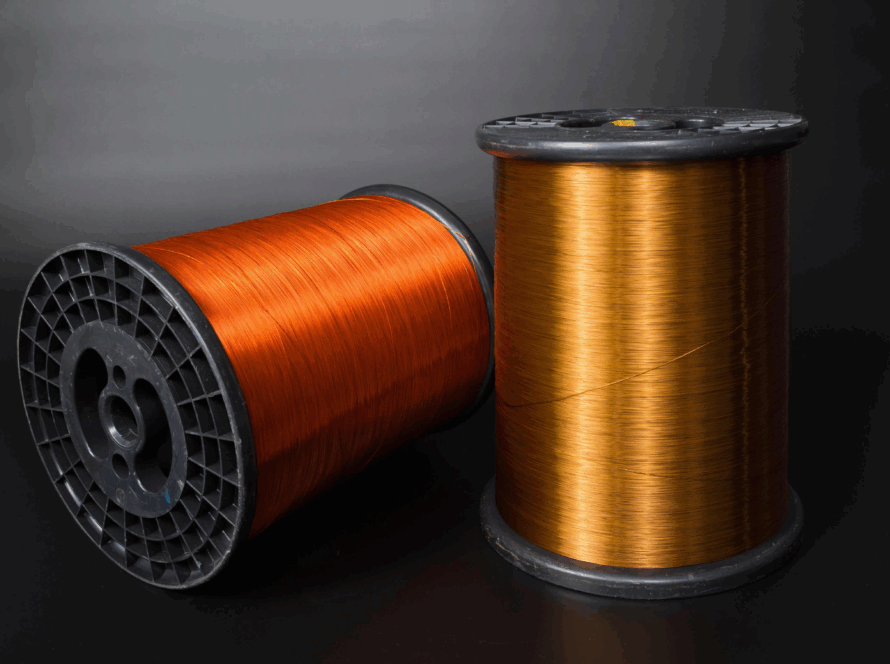
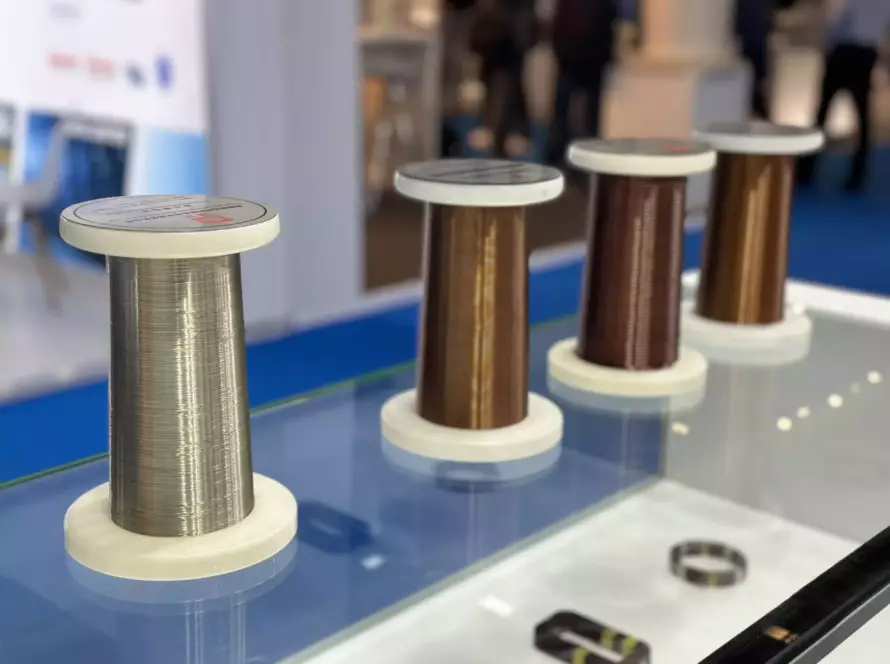
Release your compressor’s full potential with the appropriate magnet wire selection. This essential item is the motor’s heart, determining its efficiency, longevity, and overall lifespan. Magnet wire for compressors is explained in this guide, including the types of materials, the main selection factors, and how quality directly affects performance and dependability. Your first step toward achieving enhanced results is making a well-informed decision.
What Exactly is Magnet Wire in a Compressor?
A compressor motor transforms electrical power into mechanical movement, and magnet wire plays the starring role in this transformation. The specially engineered copper or aluminum conductor is wrapped with an extremely thin layer of high-performance insulation. Coiled tightly within the stator of a motor, an electric current flowing through it produces a strong magnetic field. This magnetic field interacts with the rotor, producing the torque that powers the compressor.
The operation of the compressor motor depends on the integrity of these windings. The wire has to produce a consistent magnetic field without short-circuiting amidst extreme operating conditions of high temperatures, high pressure, chemical exposure to refrigerants and oils, and continuous vibration. Selecting the proper magnet wire is thus a fundamental engineering choice that directly affects compressor efficiency, reliability, and service life. Failure of this one component results in failure of the entire motor.
The Direct Impact of Magnet Wire Quality on Compressor Performance
The quality of magnet wire directly affects the day-to-day operation and long-term survivability of a compressor. Paying for quality wire is an investment in the success of the end product. Better wire with consistent conductor sizes and concentric insulation provides uniform electrical characteristics. This manifests itself directly as improved motor efficiency, or in other words, the compressor uses less power for the same output—a real selling point in an energy-sensitive market.
Also, quality wire is the same as reliability. Its durable insulation is more resistant to thermal overloads, chemical attack, and voltage stresses, which greatly lessens the risk of premature motor failure. For makers, that translates into reduced warranty claims, improved brand reputation, and increased customer satisfaction. On the other hand, the use of a lower-grade wire to reduce initial expenses is a false economy. Inconsistent insulation or inferior chemical resistance can result in field failures much more expensive than the original wire savings.
A Breakdown of Magnet Wire Types for Compressors
Now that the significance of quality is understood, choosing the right magnet wire for compressors requires knowing its two primary parts: the conductor and the insulation.
Conductor Materials
The selection is a trade-off between cost and performance, with copper and aluminum being the major choices.
- Copper: The standard of the industry for high-performance compressors, copper’s higher conductivity enables the use of smaller wire diameters, making possible more compact, more efficient motors. Heavier and higher in cost, its high thermal conductivity aids in dissipating heat, which prolongs motor life. Strength and ductility also facilitate the process of high-speed winding.
- Aluminum: Lighter and cheaper, aluminum’s primary advantages are weight reduction and lower cost. But at only approximately 61% of the conductivity of copper, a larger diameter wire must be used for the same performance, which can lead to larger and less efficient motors.
Enamel Coatings and Insulation
The insulation is arguably the most critical feature. It provides the dielectric barrier to prevent short circuits while surviving the harsh internal environment of a sealed compressor. The most common insulations are high-performance polymers applied in multiple layers.
- Polyesterimide (PEI): Used frequently as a base coat, PEI provides superior thermal stability and dielectric properties.
- Polyamide-imide (PAI): Often applied as a topcoat, PAI gives superior mechanical strength, abrasion resistance, and excellent chemical resistance to synthetic oils and new refrigerants. This dualcoat system (PEI/PAI) is widely used for today’s compressors.
Crucial Characteristics for Selecting Compressor Magnet Wire
Choosing the best magnet wire for compressors involves considering a number of important characteristics to guarantee long-term dependability.
- Thermal Class: This important rating, expressed as a temperature rating (e.g., 200°C, 220°C), establishes the maximum constant temperature the insulation can resist without deteriorating. Selecting a wire with a proper thermal class is necessary to avoid motor burnout due to excessive operating temperatures.
- Chemical Resistance: The magnet wire is continuously exposed to refrigerants and lubricating oils. The insulation has to be chemically compatible so as not to soften or dissolve, thereby losing its integrity. This is especially critical with new refrigerants and synthetic oils.
- Mechanical Strength and Flexibility: Wire has to withstand the stresses of high-speed winding. Insulation should have high abrasion resistance and flexibility so as not to be scraped off or cracked during production.
- Dielectric Strength: This is a measure of the insulation’s capacity to resist voltage without breaking down. New compressors powered by variable frequency drives (VFDs) can generate high-voltage spikes and need wire with high dielectric strength to avert electrical arcing and motor failure.
Identifying and Preventing Common Magnet Wire Failures in Compressors
Understanding common failure modes is key to prevention. A poor choice in wire characteristics can lead directly to these issues.
- Thermal Degradation: The most common failure, this occurs when the motor operates above the wire’s thermal rating, causing the insulation to become brittle and crack. Prevention: Select a magnet wire with a thermal class offering a safety margin above the compressor’s maximum operating temperature.
- Chemical Attack: Incompatible refrigerants or oils break down the enamel. Prevention: Verify the chemical compatibility of the wire’s insulation with the specific chemicals in the compressor system.
- Mechanical Damage: Nicks and scrapes in the insulation during winding create weak points for shorts. Prevention: Choose a wire with a tough, abrasion-resistant topcoat and ensure winding machinery is properly calibrated.
- Voltage Stress and Corona Discharge: Inverter drives can produce voltage spikes that erode standard insulation over time. Prevention: For VFD applications, select specialized “inverter-duty” or corona-resistant magnet wire.
Application Spotlight: Magnet Wire in Action
Take the case of a new, high-efficiency hermetic compressor for a home refrigerator with an R-600a refrigerant and VFD. Magnet wire selection for such a compressor is crucial. The standard wire would not last long. An engineer needs to specify a wire with a high thermal class (220°C or better), verified compatibility with R-600a and its oil, and—since it’s VFD-driven—corona resistance. An inverter-duty wire with a special enamel layer is necessary to combat voltage spikes. The best option is a Grade 2 (heavier insulation) PEI/PAI dual-coated copper wire with corona-resistant capability, providing decades of trouble-free performance.
Your Checklist for Choosing a Dependable Magnet Wire Supplier
The quality of your wire is determined by its manufacturer. After defining your technical needs, the final step is sourcing. When selecting a magnet wire supplier, use this checklist.
- Industry Certifications: Is the supplier certified to key standards like ISO 9001 and are their products UL recognized? This demonstrates a commitment to quality.
- Robust Quality Control: What are their testing procedures? A top supplier like Jingda performs extensive tests and provides detailed reports.
- Technical Expertise and Support: Does the supplier have a knowledgeable team to help you select the right wire and troubleshoot issues?
- Product Range and Customization: Do they offer a wide range of materials and sizes, and can they develop custom solutions?
- Proven Track Record and Reputation: Look for a supplier with a long, positive history in the compressor and motor industry.
Your Cornerstone for Compressor Reliability
Ultimately, the magnet wire you choose is the foundation of your compressor motor. A considerate, technologically-based decision leads to higher efficiency, longer life, and a reputation for dependability. Prioritizing the quality of wire and committing to a reliable magnet wire vendor, you are not merely purchasing a part; you are investing in the long-term success of your end product.