


Understanding Oxygen-Free Copper and Its Benefits
Oxygen-free copper (OFC) is a high-purity copper that contains minimal oxygen content. This unique property enhances its conductivity and durability, making it a preferred choice for various high-performance applications.
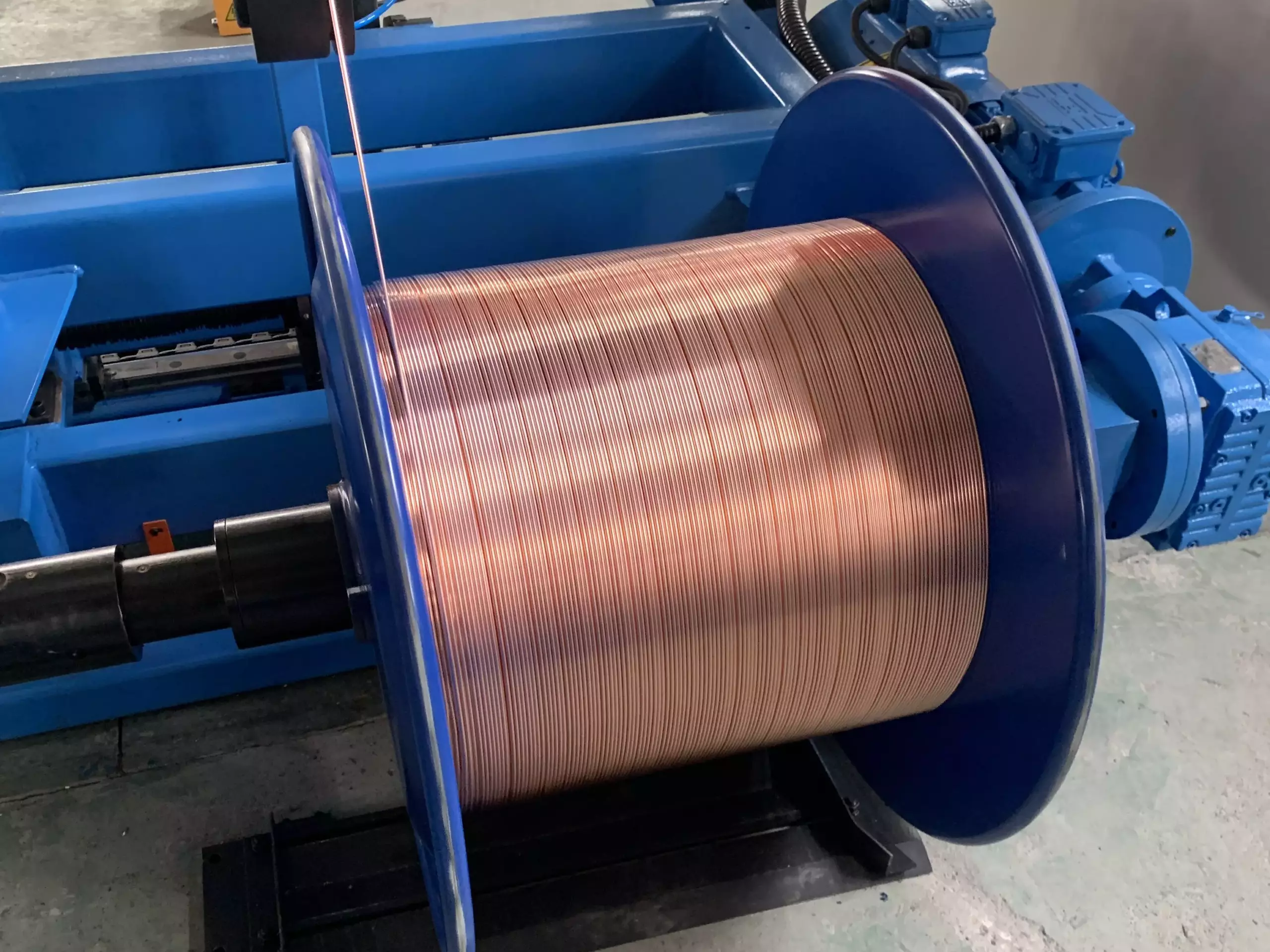 Key Benefits of Oxygen-Free Copper
One of the primary benefits of OFC is its superior electrical conductivity, which leads to better signal transmission. This is particularly important in applications such as audio equipment, telecommunications, and aerospace components.
Reduced Oxidation Risk: A Major Advantage
Oxygen-free copper is less prone to oxidation compared to standard copper. This characteristic reduces the risk of performance degradation over time, ensuring that devices maintain their efficiency.
Common Applications of OFC in Industry
OFC is widely used in high-end audio cables, electrical connectors, and other critical applications where performance is paramount. Its reliability makes it an excellent choice for demanding environments.
Comparison with Standard Copper
When comparing OFC to standard copper, the differences in conductivity, mechanical properties, and resistance to corrosion become evident, making OFC a superior choice for high-performance applications.
Key Advantages of Oxygen-Free Copper
- High Conductivity: Ensures efficient signal transmission.
- Reduced Oxidation: Enhances longevity and reliability.
- Low Impedance: Improves overall performance in circuits.
- Versatile Applications: Suitable for various high-end uses.
- Cost-Effectiveness: Long-term savings due to durability.
Conclusion and Summary
For applications requiring high conductivity and reliability, oxygen-free copper is an excellent investment that can enhance overall performance and longevity.
FAQ
Q1: Is oxygen-free copper worth the extra cost?
A: Yes, especially for applications where performance and longevity are critical.
Q2: What are the typical uses of oxygen-free copper?
A: It is commonly used in audio cables, connectors, and high-performance electrical applications.
Q3: How does oxygen content affect copper performance?
A: Higher oxygen content can lead to increased brittleness and reduced conductivity.
Q4: Can oxygen-free copper be used in outdoor applications?
A: Yes, it is suitable for outdoor applications due to its resistance to oxidation.

 English
  Japanese
  Spanish
  Chinese