


In recent years, the substitution of aluminum for copper in the power industry has gained significant attention. This substitution is driven by factors such as fluctuating metal prices, the global push for renewable energy, and the need for more sustainable materials. Aluminum, for its lower cost, good conductivity, malleability, and abundant reserves, has emerged as a strong competitor to copper.
Key advantages of aluminum
- Price Advantage: Aluminum has consistently been cheaper than copper, especially during periods of copper price volatility.
- Performance: While aluminum’s conductivity is lower than copper, advancements in alloying and manufacturing processes have made it suitable for many electrical applications. Additionally, aluminum’s lower density reduces the weight of transmission lines.
- Abundant Reserves: As the most abundant metal in the earth’s crust, aluminum is 100 times more abundant than copper, ensuring a more stable supply.
However, challenges persist in the widespread adoption of aluminum:
- Conductivity Gap: Aluminum’s conductivity remains lower than copper, especially in high-voltage applications and critical equipment.
- Connection Technology: Joining aluminum with other metals requires specialized techniques to prevent oxidation and high contact resistance.
Traditional Perceptions: Copper has been the dominant material in the power industry for decades, and changing this entrenched practice can be challenging.
Key Drivers of Growing Aluminum Demand in the Power Sector
Cost Pressures: The growing demand for copper has resulted in increasing cost of the metal and so the electricity. As a result, utilities are seeking more economical materials like aluminum. Aluminum is cheaper than copper because it has 60% of copper’s conductivity and 30% of its weight.
The fact that aluminum has 60% of copper’s conductivity means you will need a 25% thicker aluminum wire to achieve the same performance. However, a 25% thicker aluminum wire will cost and weigh almost half as much as copper.
Sustainability: Aluminum production has a lower environmental impact than copper, aligning with sustainability goals. Aluminum production depends on renewable energy sources, reducing carbon emissions. Green metal can be recycled multiple times without degrading its quality, leading to waste reduction and resource conservation.
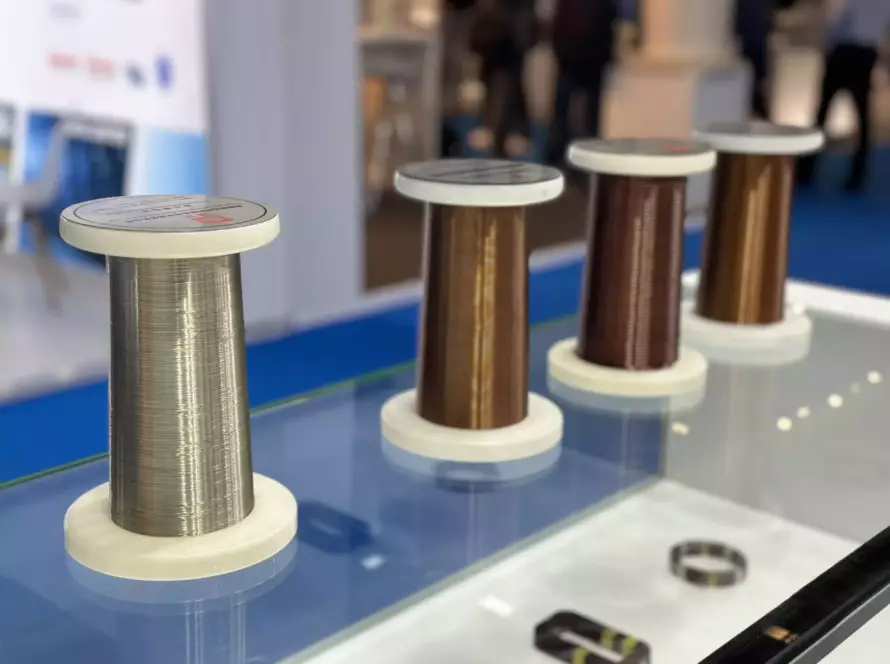
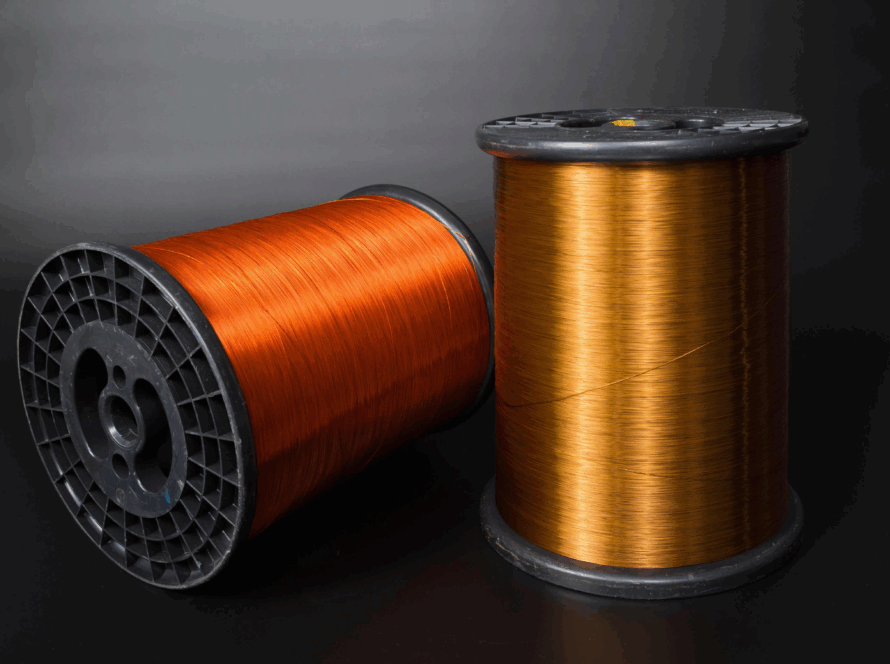
Technological Advancements: Improvements in aluminum alloys and joining techniques have expanded the applications of aluminum in the power industry. Until recently, recycled aluminum contained impurities, affecting its quality and restricting its use in high-precision applications. Now, researchers are innovating technologies that recycle the metal while removing impurities, making recycled aluminum suitable for more applications. For example, round enamelled aluminum wire is cost-effective and lightweighted.
From AI-driven optimization and energy efficiency of the smelting process to the use of IoT (Internet of Things) for real-time monitoring, these advancements are propelling the manufacturing and use of aluminum in the power industry.
Development Trends
Following are the key development trends shaping the manufacturing and utilization of aluminum:
Low and Medium Voltage Distribution: The substitution of aluminum for copper is most pronounced in low- and medium-voltage distribution, especially in overhead lines and low-voltage distribution networks. Its properties like conductivity, lightweight, and corrosion resistance make it suitable for use in low- and medium-voltage distribution lines. Additionally, this significantly reduces greenhouse gas emissions and decreases dependence on a specific product by up to 50%.
High Voltage Transmission: High-voltage transmission is critical to the electrical power industry for efficient and long-distance electricity transfer. While aluminum’s use in the high-voltage transmission is still limited, technological advancements and cost pressures are driving its adoption. New and redesigned aluminum conductor technologies ensure increased reliability for high-transmission systems.
New Electrical Equipment: Aluminum is gaining attraction in emerging areas like renewable energy generation and electric vehicle charging infrastructure. New electrical equipment will be cleaner and more sustainable.
Composite Materials: Copper clad aluminum materials are developed to combine the best properties of both metals. These materials have high strength and high conductivity. The significantly reduced cost of materials helps utilities replace copper with aluminum. Enameled copper clad aluminum wire offers almost the same performance as copper wire, so it can completely replace copper wire.
Future Outlook
The future of copper-aluminum substitution in the power industry is promising:
- Gradual Replacement:Aluminum will increasingly replace copper in low and medium-voltage distribution and make inroads into high-voltage transmission.
- Material Innovation:Aluminum alloys will continue to improve, meeting the demanding requirements of electrical equipment.
- Connection Technology Breakthroughs:Joining technologies will become more reliable and cost-effective, facilitating the wider adoption of aluminum.
- Policy Support:Government policies will support the adoption of aluminum in the power industry, encouraging research and development of new aluminum alloys and applications.
Influencing Factors
However, substituting copper with aluminum is not straightforward. The following are the factors that may influence the substitution process:
- Metal Price Fluctuations:The relative prices of copper and aluminum will significantly impact the pace of substitution. It’s worth noting that the prices of copper and aluminum have significantly fluctuated over the past two decades. The major drivers of this fluctuation are economic cycles, geopolitical events, and the dynamics of supply-demand.
- Technological Innovation:Advancements in materials science and manufacturing will accelerate the adoption of aluminum.
- Policy Support:Government policies, standards, and regulations will shape the market. Manufacturers and utilities have to adhere to these policies and regulations to avoid penalties or violations of government policies.
- Industry Standards:The development of industry standards for aluminum in the power industry will facilitate wider adoption.
In conclusion, the substitution of aluminum for copper in the power industry is a complex process influenced by various factors. While aluminum offers lower cost and sustainability advantages, technical challenges and industry inertia may slow down the transition. However, with continued technological advancements and favorable market conditions, aluminum is poised to play an increasingly important role in the power industry.
Recent News

 English
  Japanese
  Spanish
  Chinese